
A United Voice: Philippine Cooperative Movement Steps Into a New Era with Proposed Apex Organization
In response to an increasingly complex landscape marked by rapid digital transformation, regulatory shifts, climate resilience demands, and economic pressures, key national federations and unions across the country have united to pursue a long-standing vision: establishing a single, representative Apex Organization for Philippine Cooperatives.
Spearheaded by NATCCO with the incoming CEO Sharon Marie S. Dy as the TWG Presiding Officer, in close collaboration with major national federations and unions, including the Philippine Cooperative Center (PCC), Philippine Federation of Credit Cooperatives (PFCCO) National, VICTO National, CLIMBS, CCT-FED, National Union of Cooperatives (NUC), 1CISP, MASS-SPECC, and Union of Metro Manila Cooperatives (UMMC), the initiative aims to forge a solid, unified national voice to advocate for the sector and guide its future.
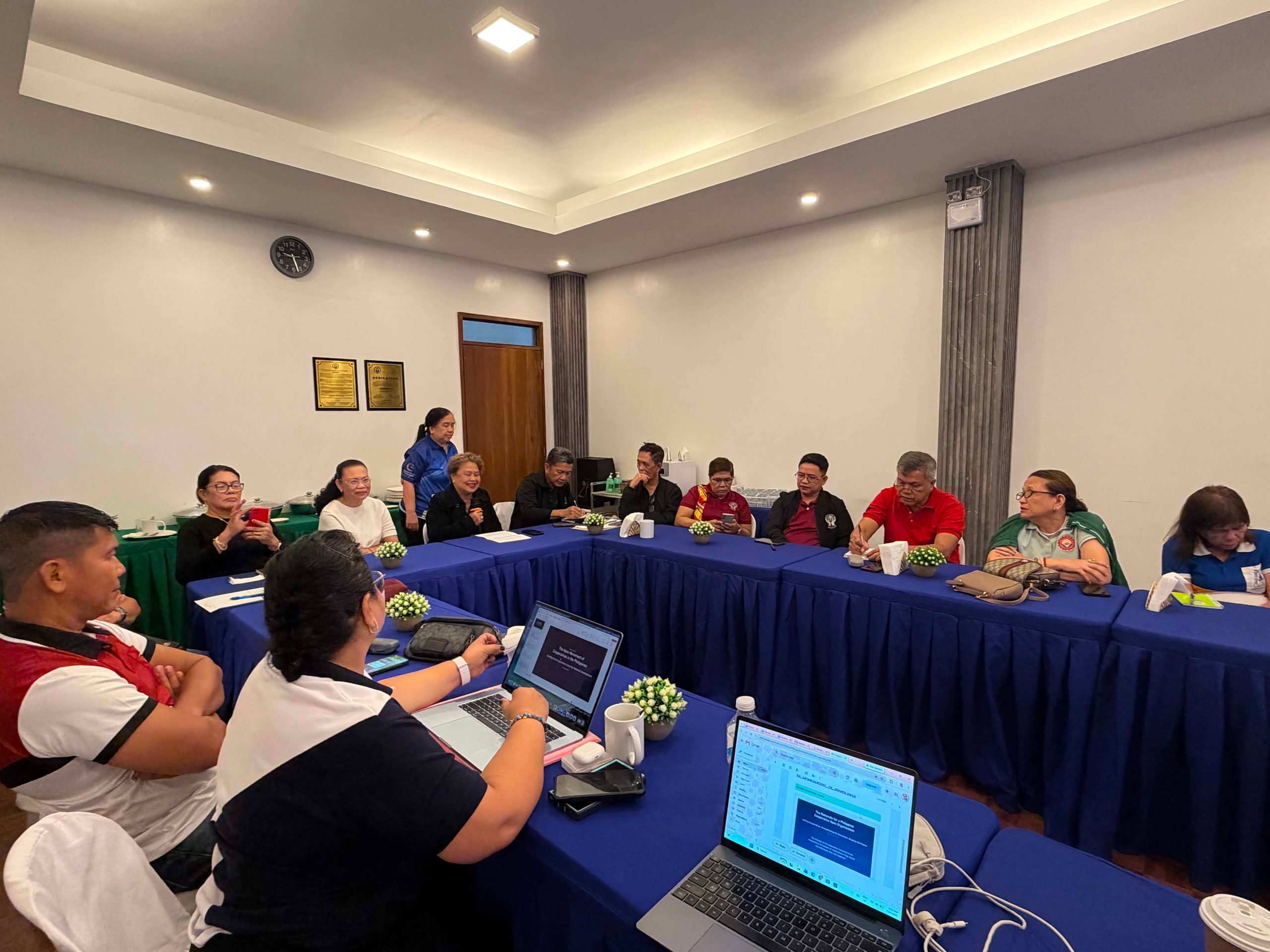
Nationwide Consensus: Successful Regional Consultations
To ensure that the movement is built on broad sectoral participation and the democratic principle of Cooperation Among Cooperatives, a series of milestone Regional Consultations was successfully conducted across the country’s major hubs:
- Cebu City – July 28, 2026 (Visayas Gathering)
- Manila – August 15, 2026 (Luzon Gathering)
- Cagayan de Oro – August 26 (Mindanao Gathering)
Participants from 90 federations and unions in all three regional legs overwhelmingly acknowledged the need for stronger unity. Across Cebu, Manila, and Cagayan de Oro, co-op leaders unanimously agreed that an Apex Organization should be established to coordinate national initiatives, represent the movement locally and internationally, and drive policy reforms.
Operationalizing Cooperation, Preserving Autonomy
International partners, including the International Cooperative Alliance Asia and Pacific (ICA-AP) represented by Regional Director Balu Iyer, emphasized via video message that an apex body is designed to empower, not replace, existing sectoral federations and unions. Rather than adding another organizational layer, the Apex Organization will serve as a collaborative mechanism, providing strategic leadership, protecting cooperative identity, and amplifying the collective strength of Philippine cooperatives.
After the second round of consultations, the TWG will convene to discuss the next steps, which include engaging a third party to study the structure, model, functions, and other requirements of the Apex organization.
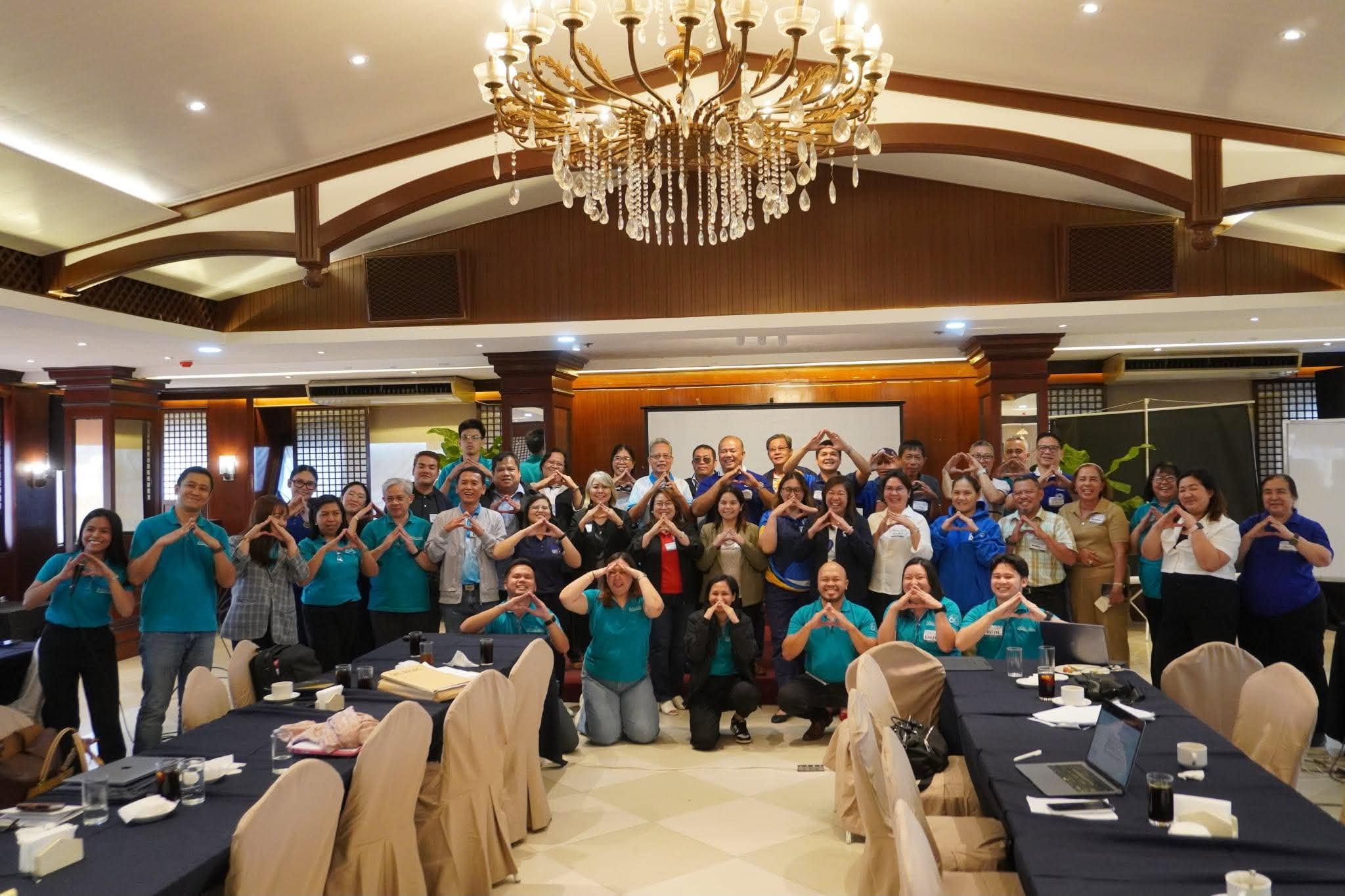
With regional consensus firmly established, participating federations are taking the next steps toward formalizing board resolutions, clarifying legal frameworks with the Cooperative Development Authority (CDA), and finalizing governance structures. The success of these consultations marks a monumental leap toward a future-ready, unified cooperative movement in the Philippines.