Brighter Financial Futures Training of Trainers | May 25-27, 2026, La Breza Hotel, Quezon City
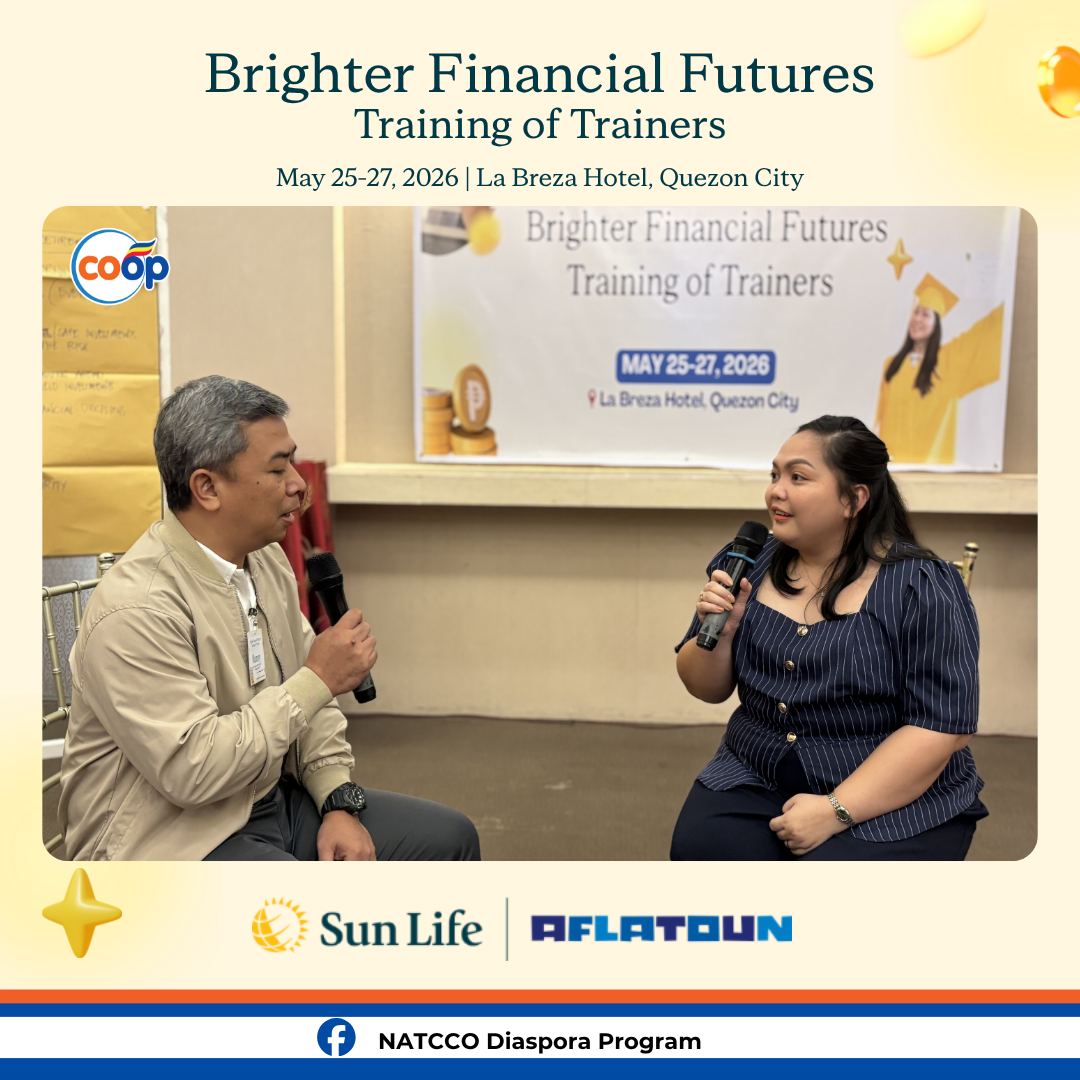
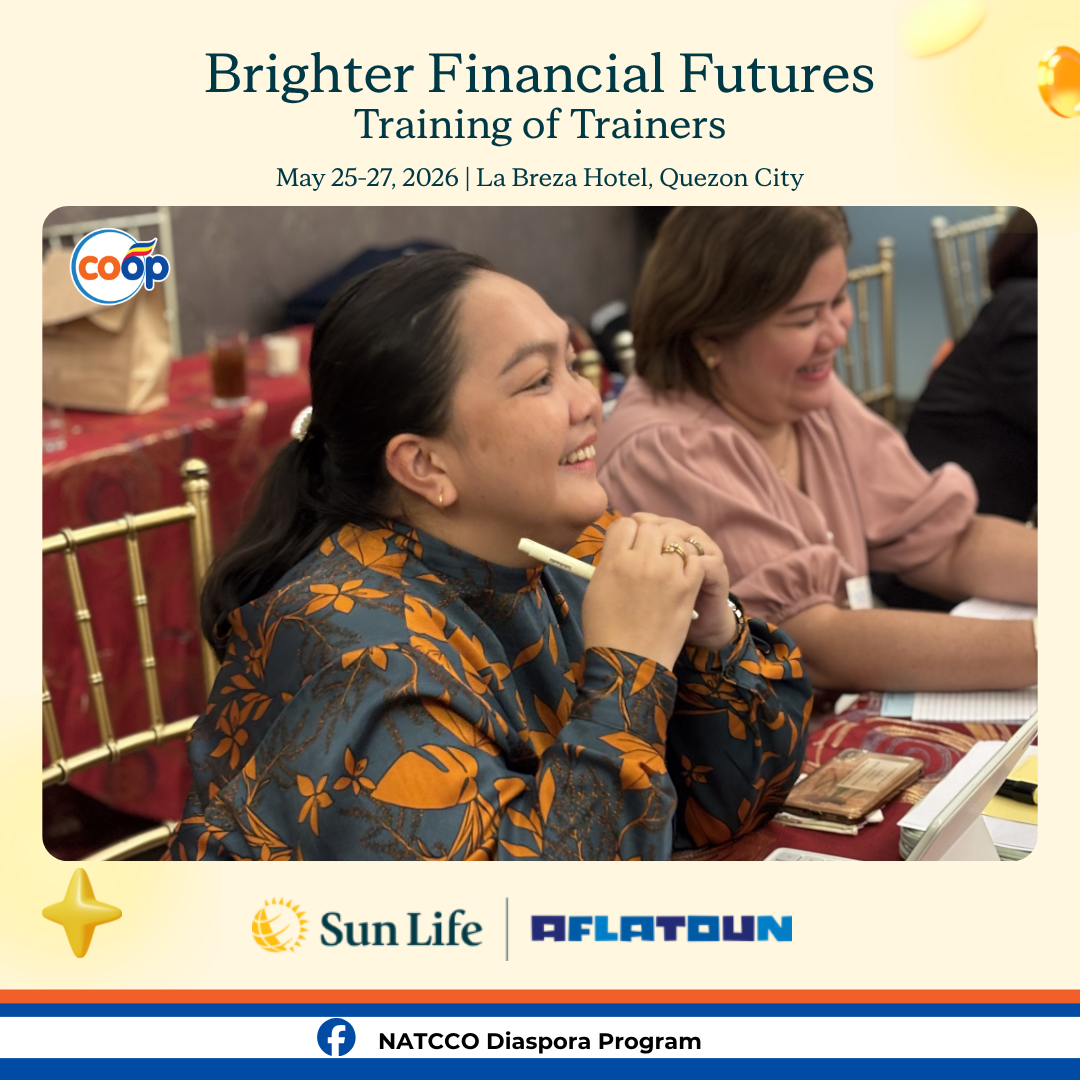
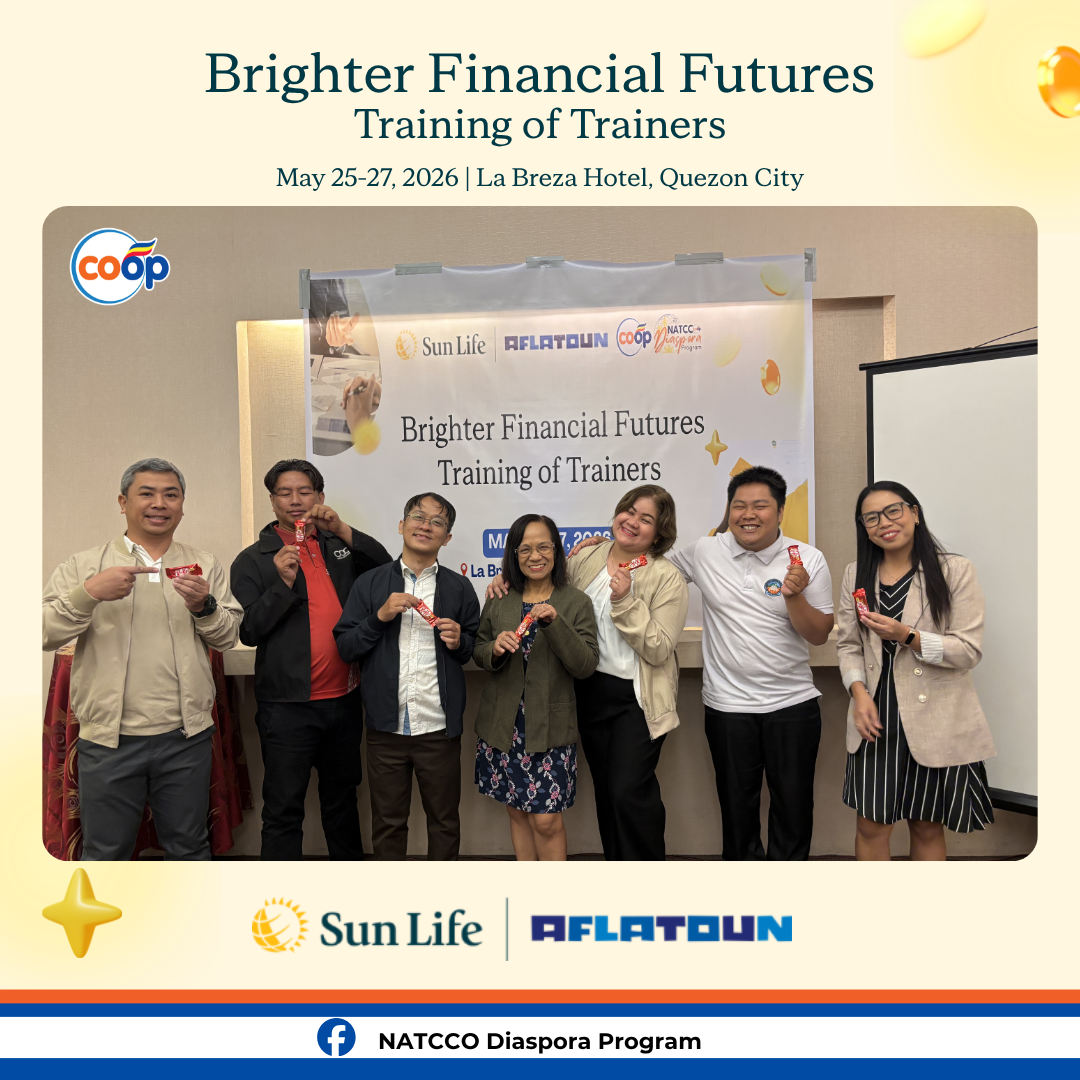
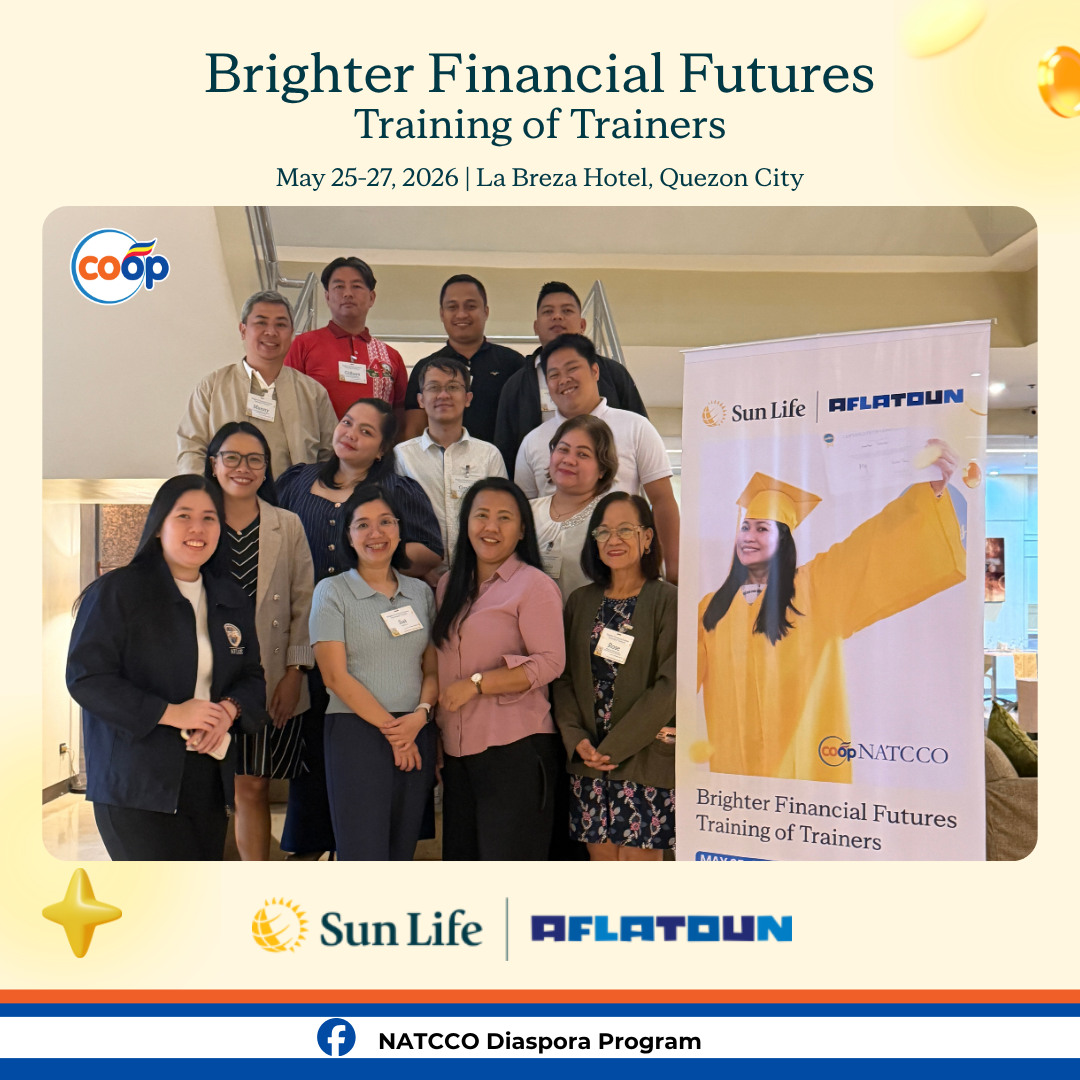
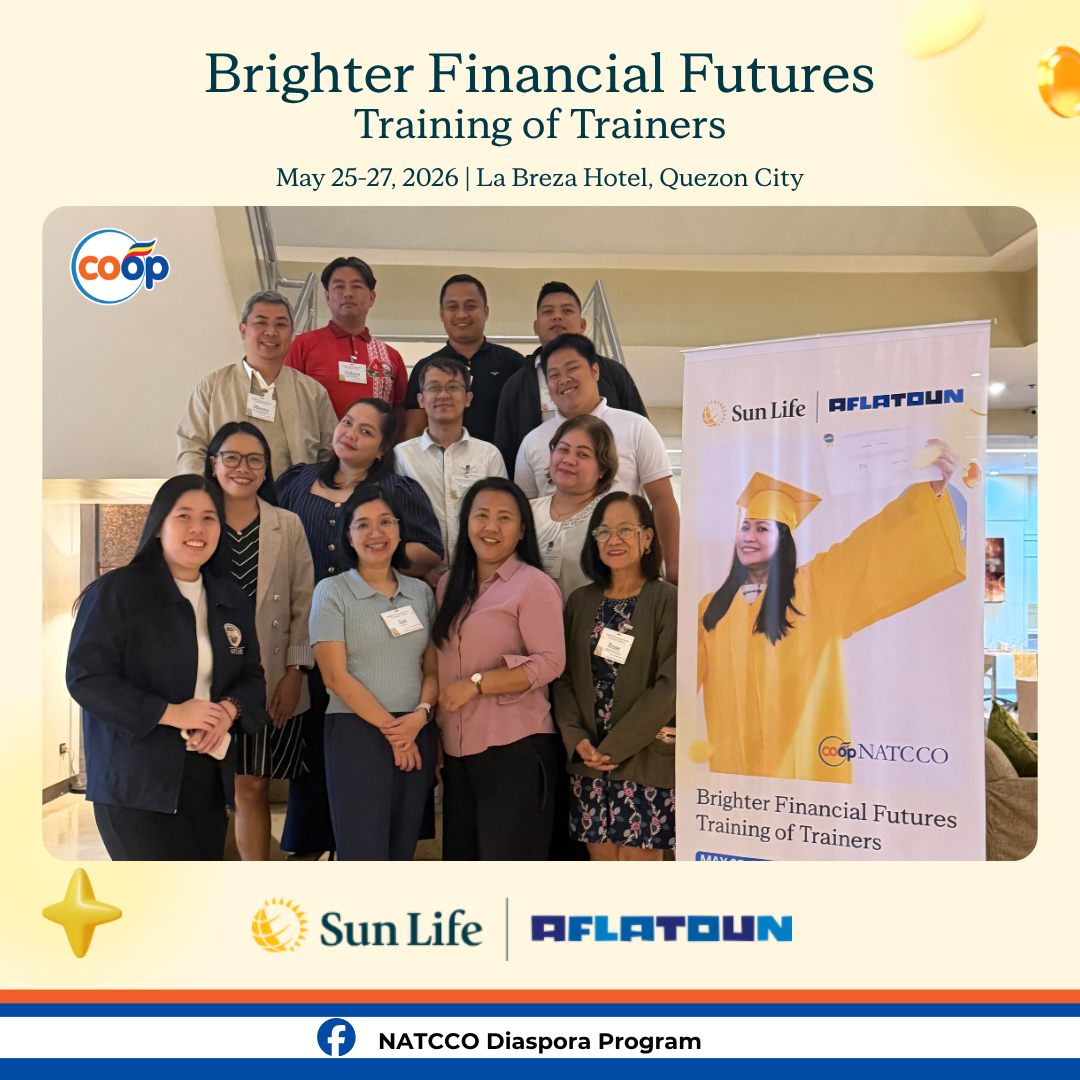
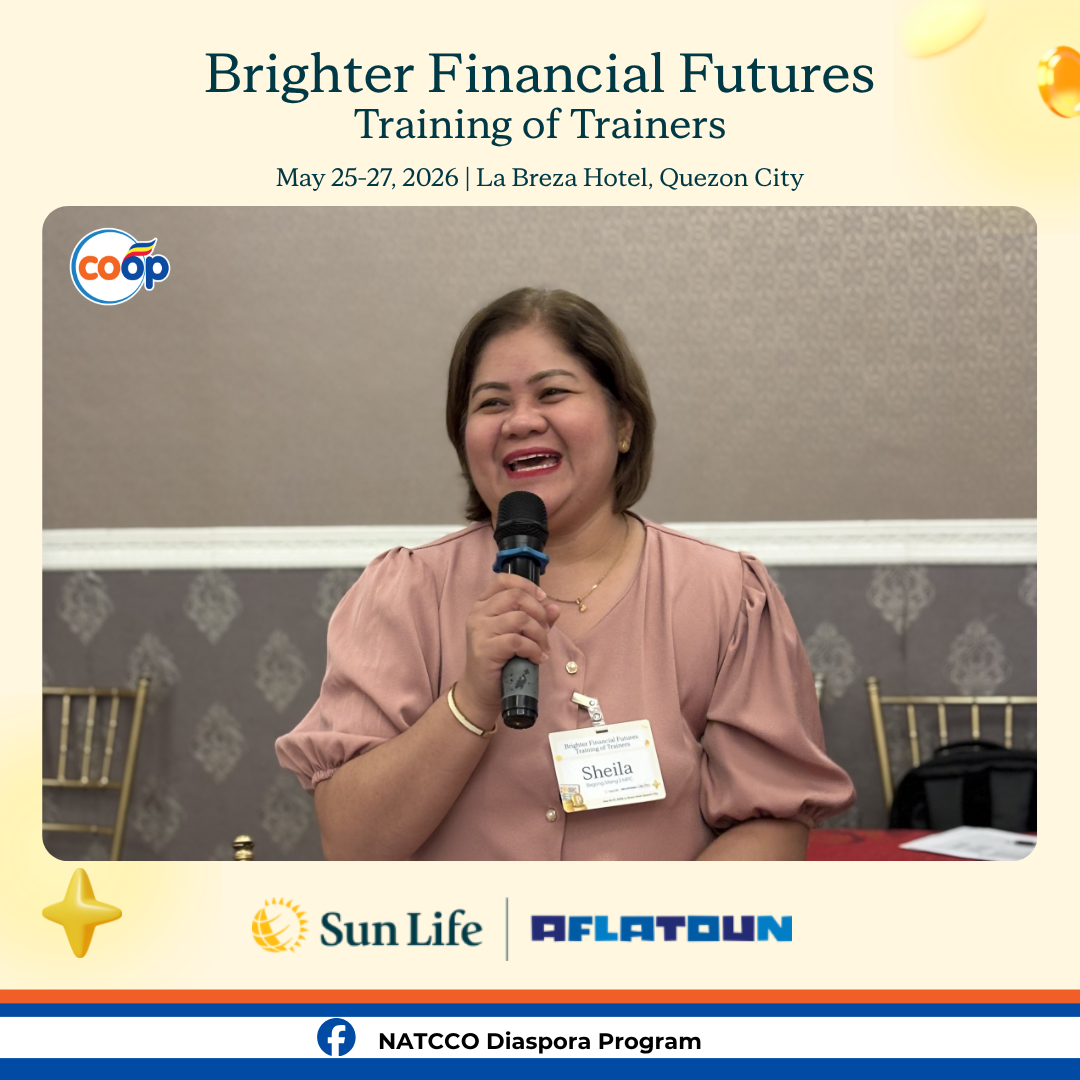
The pilot run of the Brighter Financial Futures (BFF) Training of Trainers (TOT) was successfully conducted on May 25–27, 2026, at La Breza Hotel, Quezon City, Philippines.
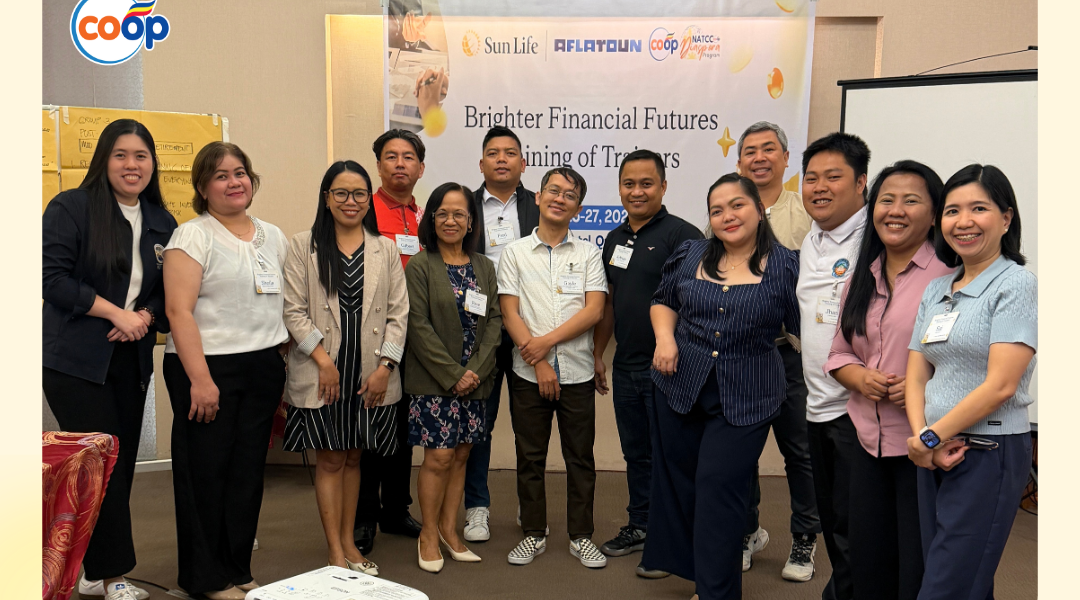
Implemented in partnership with our Diaspora Cooperative members, the training welcomed 10 dedicated cooperators who formed the pioneering batch of trainers for the BFF Program. This pilot run marked an important milestone in building a pool of capable facilitators who will champion financial education and community support initiatives for Domestic Workers (DWs), Overseas Filipino Workers (OFWs), and their families.
Throughout the three-day training, participants deepened their understanding of the realities, needs, and challenges faced by Domestic Workers and OFWs. They also explored key principles of adult learning and effective facilitation techniques, equipping them with the skills necessary to deliver engaging and impactful learning sessions. The training introduced participants to the Brighter Financial Futures e-learning course, providing opportunities to navigate the platform, practice facilitating sessions, and experience both the trainer and learner perspectives.
The success of the training was made possible through the collaboration of the Advocacy Unit and Training Unit of the Cooperative Academy of NATCCO Network (CANN). Participants benefited from the expertise and guidance of four facilitators who previously completed the Level 1 Training of Trainers for the BFF Program and served as resource persons during the pilot run: Marichelle R. Candado, Whiazel C. Nangpi, Hazel Ann M. Modino, and Shannen Mercado.
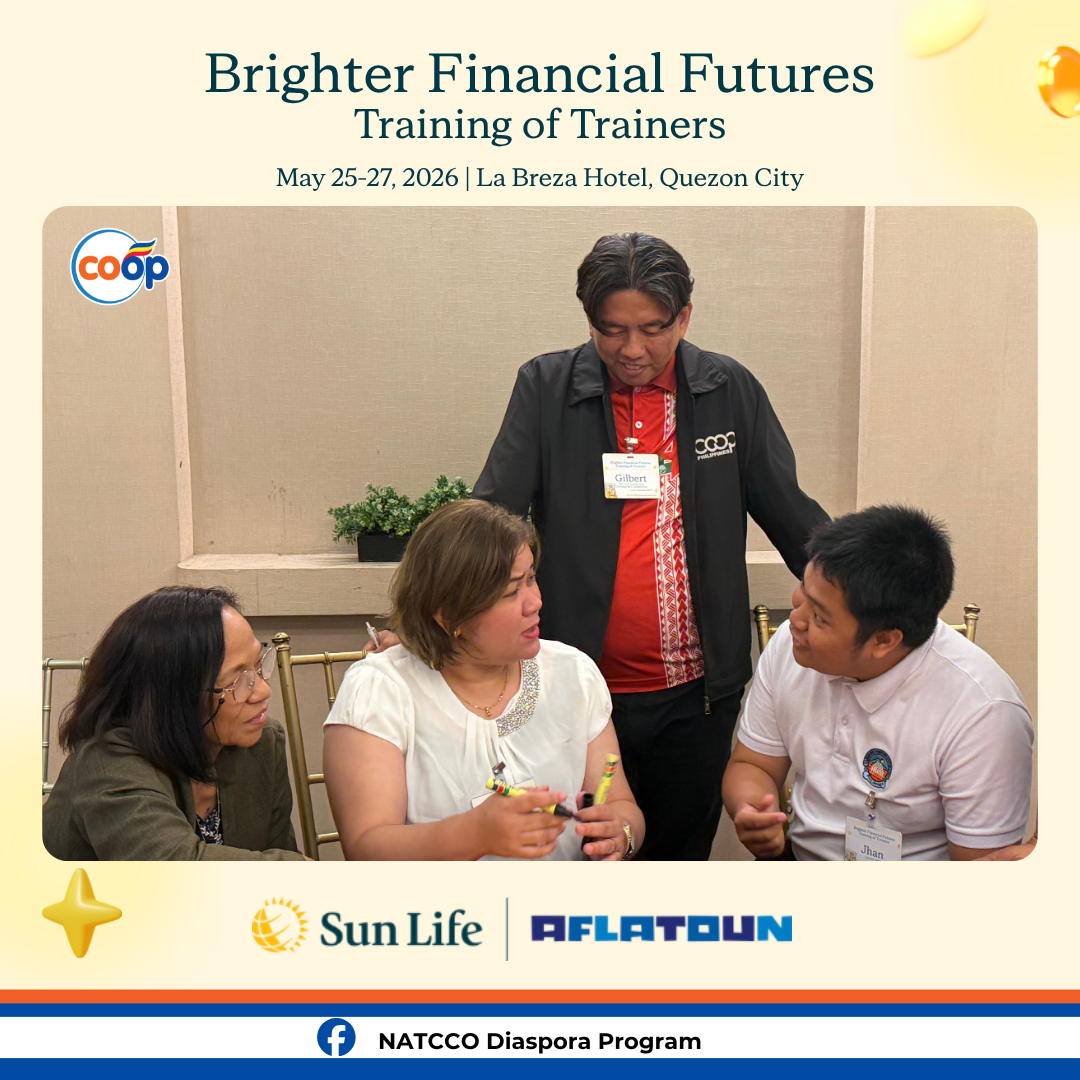
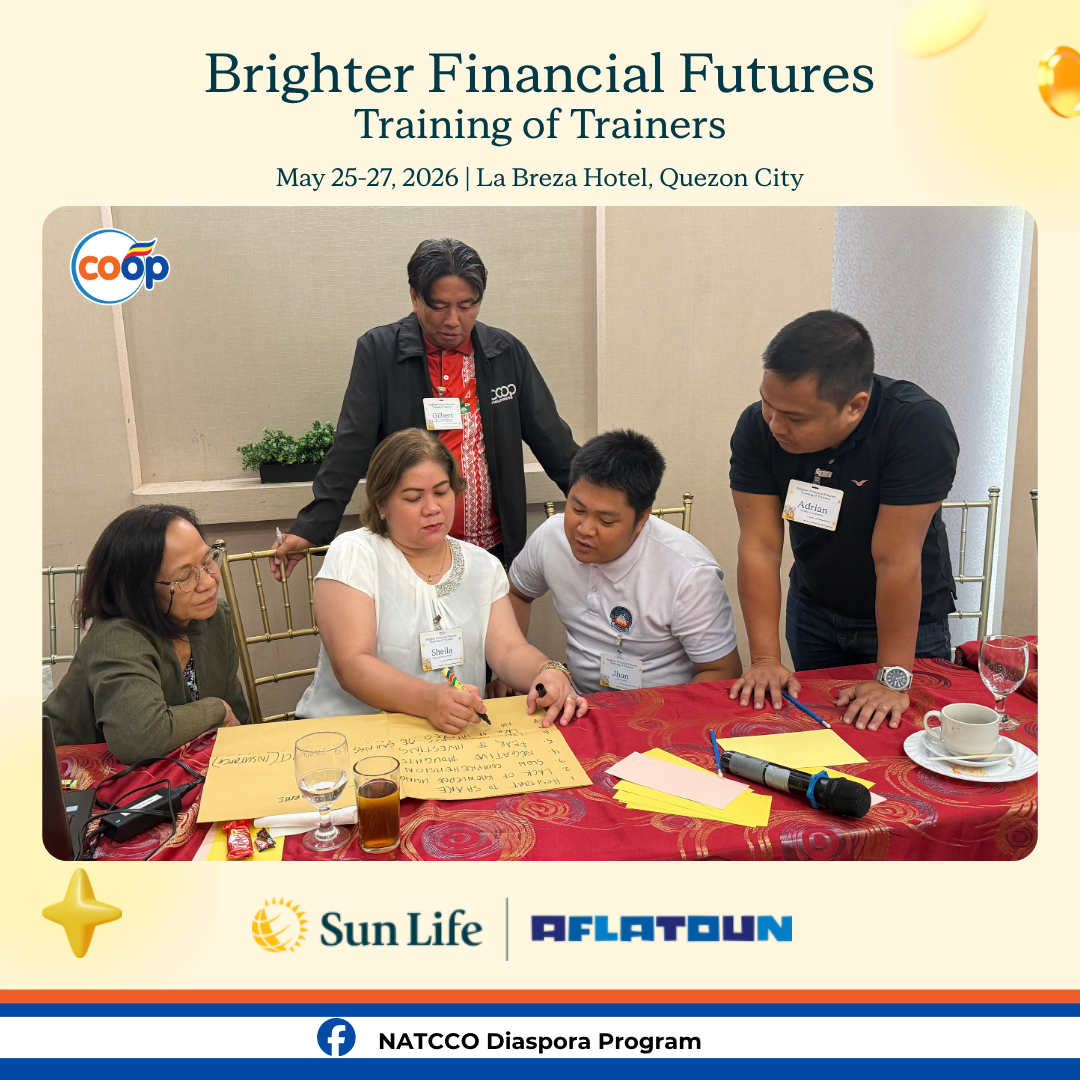
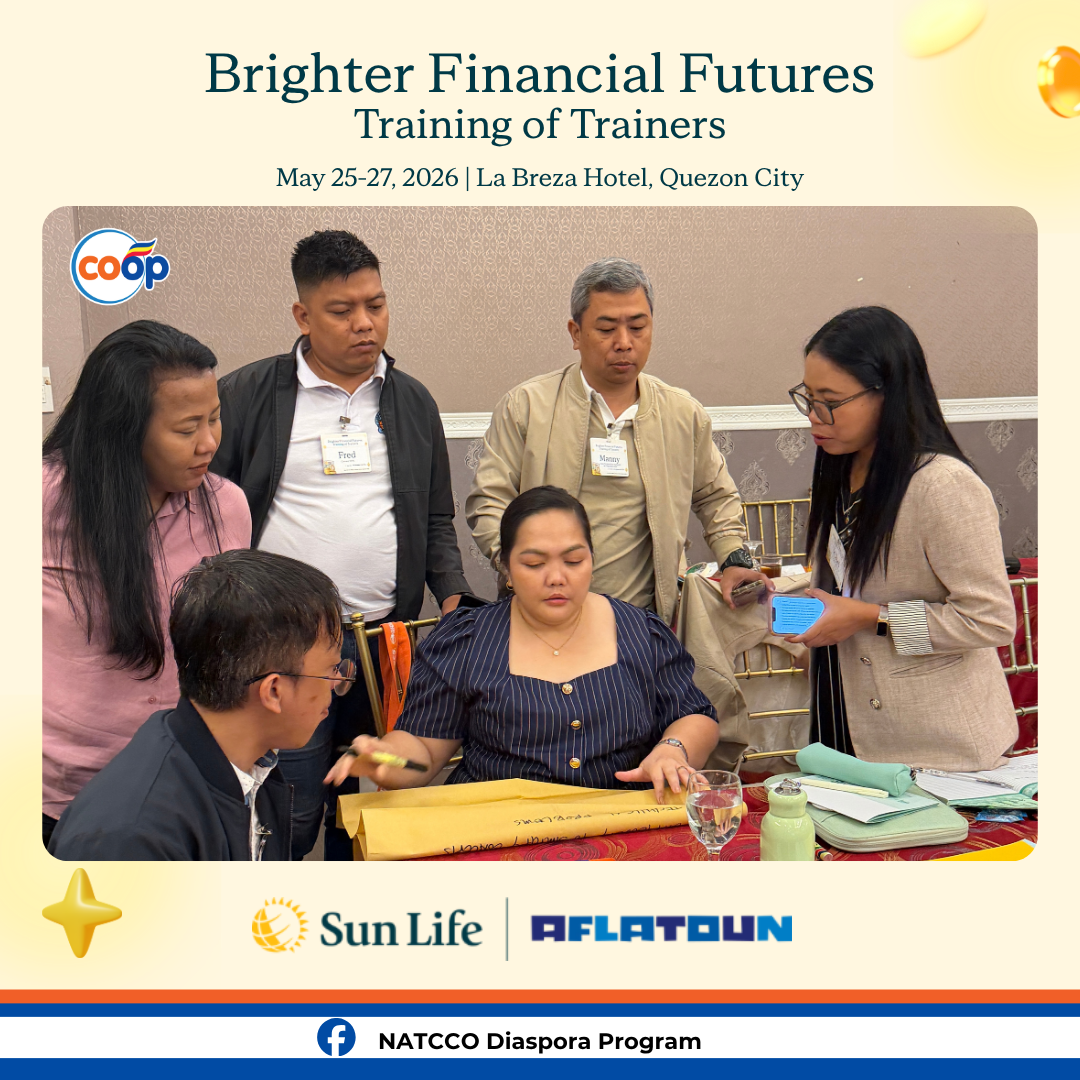
Through interactive discussions, collaborative group activities, simulations, and hands-on learning experiences, participants strengthened their knowledge, confidence, and facilitation competencies. The training fostered a supportive learning environment that encouraged active participation, peer learning, and the sharing of experiences among cooperators.
During the implementation of the training, several challenges related to the Learning Management System (LMS) were identified. Participants encountered difficulties during the account registration process, particularly in receiving One-Time Passwords (OTPs) through email and mobile devices, which delayed account creation. In addition, certain browser compatibility issues were observed. While some mobile versions of Google Chrome experienced navigation limitations that prevented users from proceeding to subsequent sections of the platform, alternative browsers provided better functionality. Limitations were also noted when registering using Yahoo email accounts.
Despite these technical concerns, participants expressed positive feedback regarding the LMS, highlighting its interactive design, engaging learning activities, and valuable content tailored to OFWs and their families. Several recommendations were also gathered to further enhance the learner experience. One key suggestion was to include estimated completion times for each module, enabling learners to better manage their schedules and set expectations regarding the duration of each learning activity.
On the final day of the training, participants were given ample time to develop action plans for implementing the BFF Program within their respective cooperatives. Several common strategies emerged from these plans, including conducting re-echo sessions for Boards of Directors and Management Committees (ManCom) to secure organizational support and commitment for program implementation. Participants also identified timelines and strategies to increase awareness, encourage participation, and empower Domestic Workers and their families through the BFF Program.
Many cooperatives expressed their intention to integrate BFF Program orientations into their anniversary celebrations, membership orientations, and other cooperative events to maximize outreach and engagement. Others committed to cascading the program to their branch offices and satellite operations to extend its benefits to members from the B40 sector and other underserved communities.
Overall, the pilot run was a productive, engaging, and high-energy learning experience characterized by meaningful discussions, reflection, collaboration, and shared commitment. Participants demonstrated enthusiasm and readiness to serve as trainers and advocates for financial literacy and empowerment within their communities.