
Cooperative holds the line on fuel prices amid supply pressures
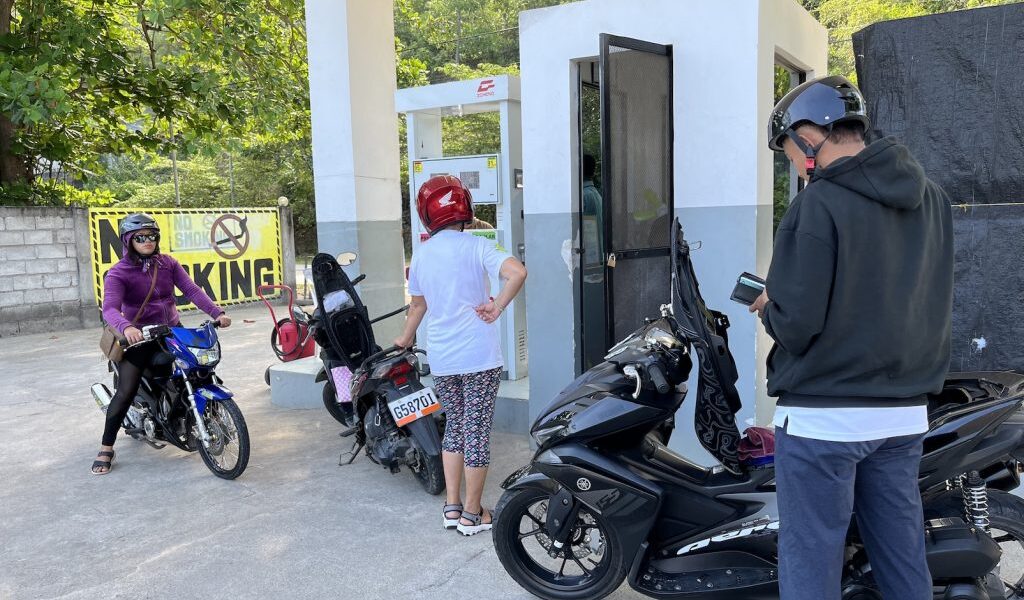
SAN JUAN, Siquijor (PIA) — At a gasoline station in Pangi, motorists line up, scanning digital boards and price labels.
Some ask attendants whether diesel has arrived. Others compare prices across nearby towns. Many are worried about fluctuating fuel availability and rising costs — a reality playing out across the country as the Middle East conflict drives global crude prices beyond $100 per barrel.
The Department of Energy (DOE) responded with a nationwide enforcement campaign. Of 87 gasoline stations inspected, 71 were found with violations including overpricing and implementing price adjustments ahead of schedule. Show-cause orders were issued to 55 stations, giving them 24 hours to explain why their permits should not be canceled.
To prevent sudden price shocks, the DOE introduced a staggered adjustment scheme requiring major oil firms to implement price hikes in phases rather than all at once. The Philippine National Police has been deployed to support monitoring, with violations documented through photos and videos submitted by officers on the ground.
Despite the pressure, the DOE has assured the public that domestic supply remains sufficient — with the country’s fuel inventory standing at more than 45 days as of mid-March. The DOE Visayas Field Office has similarly intensified monitoring of fuel prices and inventory levels at stations across the region, issuing advisories against profiteering and warning that violations may result in penalties, including the revocation of operating licenses.
A cooperative that keeps prices low
The San Juan Community Multipurpose Cooperative (SJCMPC) has been running this kind of operation since 2018. The cooperative operates three gasoline stations in Catulayan, San Juan, Candaping, Maria, and Pangi and has positioned itself as a low-cost provider, consistently pricing below c.
Donato P. Panzo Jr., manager of the San Juan Community Multi-Purpose Cooperative (SJCMPC) in Siquijor, shared how the cooperative maintains fair fuel pricing and inventory controls in compliance with the Department of Energy (DOE) guidelines amid ongoing supply challenges.
Manager Donato P. Panzo Jr. said DOE monitoring is routine.
“Gimonitor kanunay sa DOE ang atong gasoline stations. Sila manawag kada semana pila na’y presyo nato, pila na’y inventory (The DOE constantly monitors our gasoline stations. They call every week to check our prices and inventory),” he said.
To keep prices low, SJCMPC maintains a minimal markup and runs a P2 discount for every P100 purchase redeemable as cash or converted into share capital, an arrangement that also encourages cooperative membership.
Limits on bulk buying, tighter diesel supply
As panic buying spread in some areas, SJCMPC imposed purchase limits to ensure equitable distribution. “Naay uban gapalit og daghang galon. Naobserbahan namo, ug amo na nga gi-control. Pwede mamalit pero tagsa na lang ka galon o magpa-full tank lang,” Panzo said. (Some customers were buying large volumes. We observed this and imposed limits one gallon at a time, or a full tank refueling only.)
Diesel supply has been the bigger challenge. Where the cooperative once received 46,000 to 48,000 liters per order, deliveries now arrive inconsistently and in reduced volumes sometimes as low as 28,000 liters.
Panzo said the cooperative has absorbed the pressure without cutting staff or operating hours. “Dili ni panahon nga mag-grab og opportunity para makabintaha. Panahon ni nga makatabang ta (This is not the time to take advantage for profit. This is a time for us to help),” he said.